Ready to have some fun cross-pollinating two things I hold dear? Gardening and content marketing! Yes, I’m finally “going there” because the more I garden – and use the garden as my place to contemplate my career – the more I think about life in gardening terms. I’ve always gone big with metaphors, analogies, and wordplay (who doesn’t love a pun or two?), so I might as well make it official. And it’s MY blog, so I can plant whatever I want in here. See what I did there?
The content marketer in me knows that I need to get to the point if I haven’t lost you already. Without further ado, consider these common career transitions as a gardener might think about their plant management.
Into the Refuse Bag: The Firing
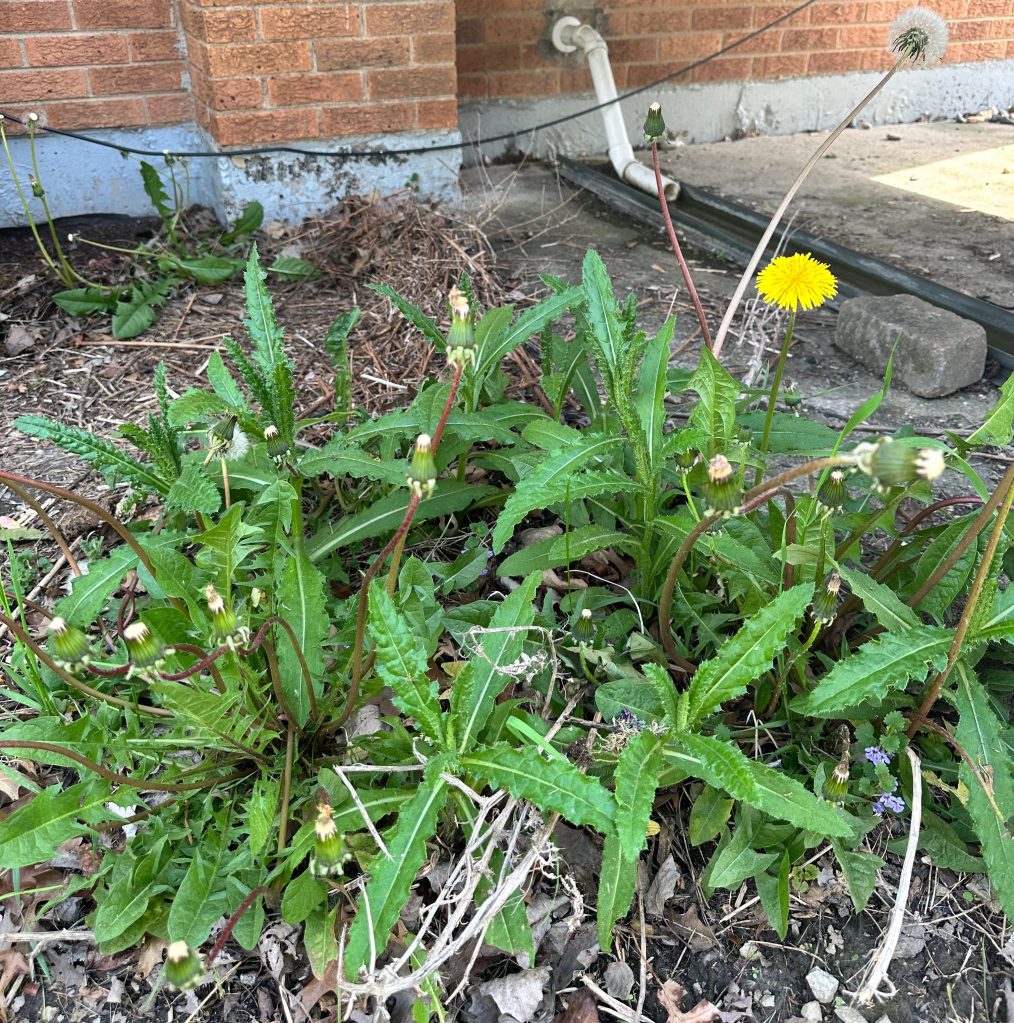
Oof. Let’s start with the big, bad one. A plant may get infested with insects, mold, or some other disturbing natural wonder that can’t be controlled with a spray bottle or diatomaceous earth. It may start taking over an area and hogging resources from surrounding plants. Perhaps it becomes unwanted for its propensity to attract deer or rabbits. Maybe it gets decimated by said deer or rabbits. Sometimes it’s just a thorny, annoying weed. There are many reasons that a gardener may decide to get rid of a plant. Fini. Finis. Finito.
I plead the fifth: not only do I tend to make really bad jokes when I write, but it doesn’t take long for me to fill a lawn bag with leggy, overgrown, infested, rotten, or annoying plants. I’ve unceremoniously let many plants go – and without a good reference. And I usually have a twisted sense of guilt about that…nothing we need to explore today.
I’m not saying that an employee should ever be referred to as a moldy nuisance or a weed. Some weeds, in fact, are useful and produce beneficial flowers: the dandelion, for example. (We can argue about this later.) But some employees do cause problems within their teams, continuously underperform, fail to meet expectations despite PIPs, or otherwise become a liability to the company. The only course of action, assuming it’s legal and lawful, is to let them go.
This makes me wonder…should plants unionize? Should fired employees leave the building in large, brown paper bags?
Garden Restructuring: The Layoff
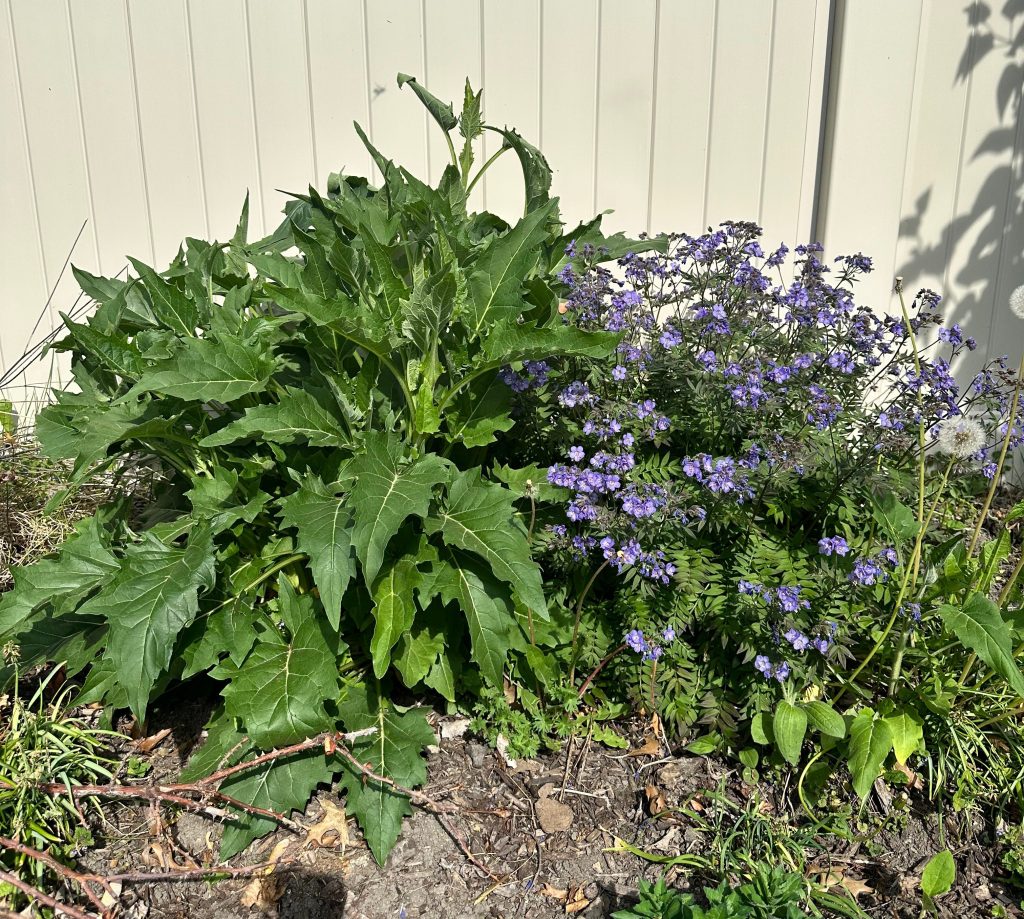
This sometimes Darwinistic phenomenon is akin to a gardener identifying a plant to dig up and plop into the compost bin (not as bad as the garbage, right?). Despite the plant’s natural beauty and instinct to keep growing where it was planted, it may, in reality, take up too much space in the garden, flower at the wrong time, or be too difficult for upkeep. Hopefully, the rejected plant is put in a plastic pot labeled “free” for another gardener to enjoy, leaving the gardener with more garden space to work with and perhaps the opportunity to introduce brand new plants.
Plant layoffs happen all of the time. And I’m not talking about automobile or food processing plants. I’m a gardener who “tweaks” my plants and moves them around, relegating some to the freebie pile to optimize my garden. It just makes my garden work better, look better. I have only so much room, right? And yes, sometimes I feel guilty removing perfectly good plants because they’re essentially my outdoor children. But I do it for the good of the family! I mean, for the good of the lovely ecosystem I’m cultivating.
Like the ranked-and-yanked plant, the employee marked for layoff is typically using up too many resources. They may not deliver as well as their colleagues. They may have more to offer (or want more) than the company needs (or can give), or they’re part of a block of employees (a bed, in gardening terms) being eliminated. While they aren’t, to my knowledge, usually handed-off to a welcoming hiring manager, they are free to take root in a new company, where they can take up all the space they need. For the time being, at least.
Let’s not ignore the fact that many, many times, layoff employees are victims of M&A redundancy – and I can’t come up with the gardener’s version of this that doesn’t involve a hostile takeover by a neighbor or family member. Gardeners aren’t usually hostile, for the record. Ooooh, maybe there’s a co-op with some drama, the garden community’s version of true crime. Maybe I’ve got something here…
Garden Downsizing: The Career Downshift
For the record, I have zero experience with shrinking either my garden or my employment status, at least by choice. I’m a “more is more” person who looks for new garden space every year, removing boring old grass to make way for more flowers and herbs. Careerwise, I’ve managed to move in a more or less upwards trajectory, which I hope to maintain for another 20 years or so. That’s not to say I haven’t weathered some tense between-job moments, and this doesn’t mean I won’t, or can’t, step back in some capacity. But enough about me. 😉
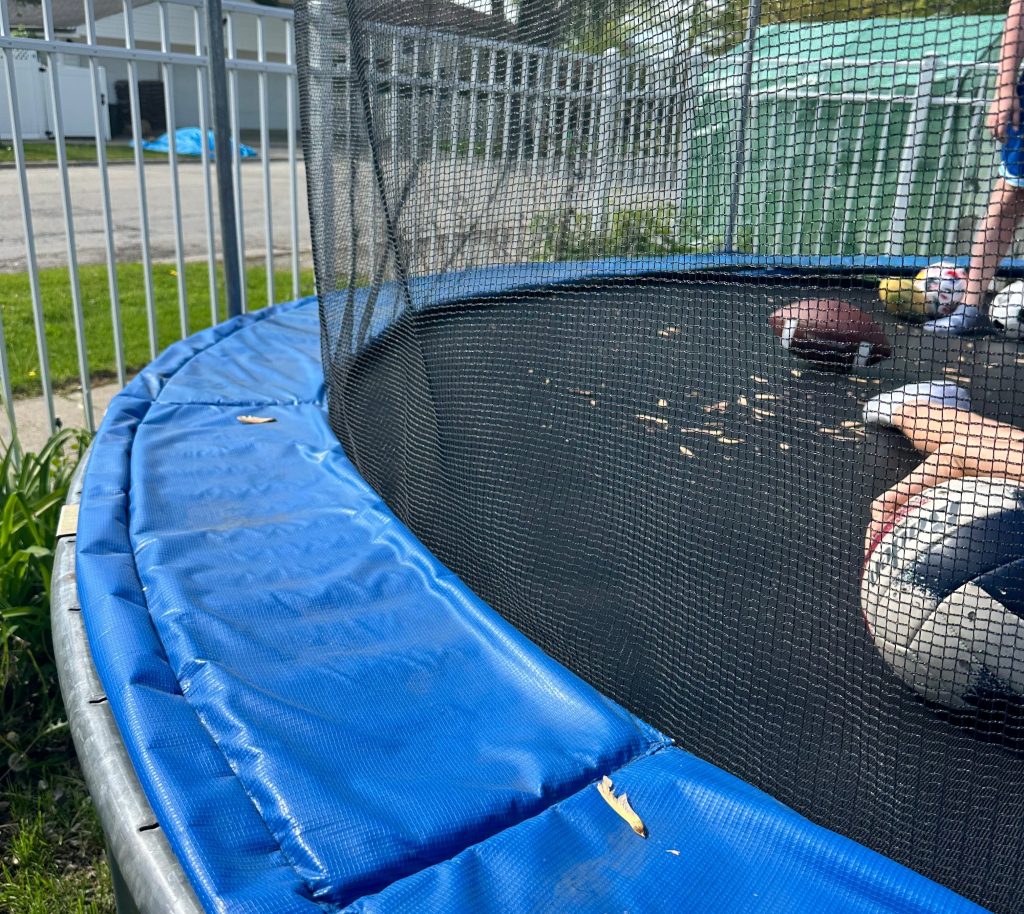
Let’s say a gardener doesn’t want to take care of a large garden – they want relatively less to manage. Perhaps they’re traveling a lot, or physically limited. It’s possible that their medications make them photosensitive and too much time in the garden is problematic. Who knows? Maybe they just don’t want to maintain the weedy green space next to the garage or decide that the area surrounding the kids’ trampoline is just too difficult to access – or too hazardous to approach, thanks to unwieldy children and bouncing soccer balls. The way I see it, the gardener can fire or layoff as many plants as they need to. There’s also the option of doing nothing, ignoring the plant altogether, sort of like moving its desk to the basement a la Office Space.
In employment terms, the career downshift is something that the employee can, more or less, control. Much like the gardener, I suppose. Any actions to remove plants (give projects to colleagues), tend to them less frequently (reduce hours), or even pass duties along to a new caretaker (retire?) are done with thoughtful intention – a level of care that sometimes isn’t afforded to managers in corporate America who are asked to minimize losses, avoid lawsuits, and cut budgets. That makes it a less-fun metaphor, in my opinion, because misfortune is usually more funny. Ask a real comedian, and they’ll agree.
A word about this website: I never meant to share it, really. I just started it so I could catalog my garden, track plant growth, and record some shrub rootball-deep thoughts about native plants, pollinators, and the like. Perhaps it’s the content marketer in me trying to build some subject-matter expertise, share my hobby alongside my writing?
Maybe next time I’ll compare office personalities to common garden insects?!

 Welcome to Coco’s Garden!
Leave a comment